Bulu River Ilocos Norte
Bulu River Ilocos Norte is worth a visit and somewhere wild and untouched. The Bulu River introduces
another side of a Pagudpud holiday, connecting the inland mountain landscape
with the lower country around Pagudpud and Bangui. Also known as the Bolo
River, it is known for its freshwater scenery and
kayaking interest. For visitors exploring beyond the beaches, the river offers
a reason to look inland and discover how waterways connect the towns and
landscapes of northern Ilocos Norte.
Plan your visit around an accessible riverside location, an excursion to the village of Adams or a properly arranged rafting or kayak paddling activity where a suitable service is available. Each offers a different experience, from experiencing and photographing the river landscape to learning about its mountain connections. Bulu is a river system with different reaches, so a rewarding visit begins with choosing the section and activity that suit your interests.
Where Is the Bulu
River?
The Bulu River is associated with both the mountain village of Adams and the lower landscape around Pagudpud and Bangui. Museo Ilocos Norte identifies it at the boundary between Bangui and Pagudpud, while it is often described as a wider Bolo River system encompassing Adams, Bangui, Dumalneg and Pagudpud.
This distinction matters when arranging an excursion. Asking only to visit “Bulu River” may not identify a particular viewpoint, riverbank or paddling section. Explain whether you want a scenic stop near Pagudpud, time beside the river in Adams or information about kayaking. A specific plan makes transport and local enquiries much easier.
Bulu River - From
Mountains to Lowlands
The Bulu River is often connected with Adams and the wider Bolo River system with headwaters to forests in Calanasan, Apayao, with Adams forming part of its middle reaches and Pagudpud, Bangui and Dumalneg associated with its lower reaches. For visitors, that connection adds context to the journey. The river is part of a network carrying water from upland country towards the coast. Viewing different sections can help you appreciate how terrain, vegetation and settlement change between mountain communities and the lower country surrounding Pagudpud.
Go Bulu River Kayaking
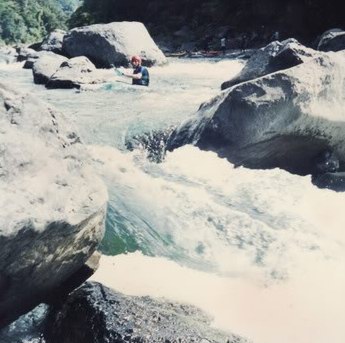
Kayaking and white-water rafting over rapids are one of the activities most frequently associated with the Bulu River in tourism material. Experienced paddlers should enquire about a specific reach, current water levels, access and local expertise. Visitors seeking a first kayaking experience should ask for an activity explicitly suitable for beginners as it can be hazardous.
The Bulu River offers seasonal opportunities for experienced kayakers, particularly around Dampig, Tarrag, and Poblacion 1 where large boulders, deeper pools, and faster currents create challenging river conditions. During periods of higher water flow, certain sections develop white-water rapids which are suitable only for skilled paddlers. Visitors should currently plan to bring their own kayaks and equipment, as local kayak rental services are not known to operate in the area.
Bulu River Swimming
and River Conditions
Ask locally about designated bathing places and any current restrictions before entering. Depth, current, submerged obstacles and recent rainfall can all affect a river outing. Clear-looking water alone does not establish water quality. Choose a locally recommended location, supervise children closely and avoid entering moving water when conditions are uncertain. Enjoying the river from the bank remains a worthwhile option when bathing is unsuitable.
Bulu River Weather
and Timing
Plan according to the forecast and local advice for the section you intend to visit. Conditions upstream matter as well as the weather directly above your stopping place. Ask about recent rain before arranging swimming or paddling and leave room to change the day’s activities if the river is unsuitable.
Daylight makes it easier to appreciate the scenery and assess access. Bring drinking water, sun protection and a light rain layer, with secure footwear for any walking. For an organised water activity, follow the provider’s clothing and equipment instructions.
The Bulu River's combination of clear freshwater, riverbank vegetation, open gravel areas, and surrounding farmland creates a natural habitat for a variety of birdlife. Early mornings and late afternoons are often the best times to observe birds along the river, particularly around quieter stretches away from villages and road traffic. Visitors with binoculars and a camera may enjoy searching for river and woodland birds while exploring this scenic waterway.
A Bulu River is Worth
Protecting
The Bolo River System is a designated Water Quality Management area. Its management brings together several municipalities and other stakeholders, reflecting the shared responsibility for a waterway that crosses local boundaries. Visitors can support that work through straightforward actions. Carry rubbish away, avoid washing with soap or detergent in the river and respect vegetation along the banks. Ask permission before entering private property and follow local instructions about access. These practices help preserve the river landscape for residents and future visitors alike.
Enjoy Bulu River Ilocos Norte
The Bulu River, also known as the Bolo River, adds freshwater scenery and an inland connection to a Pagudpud holiday. Explore an accessible riverside location, include it in an Adams excursion or enquire about a suitably organised kayaking trip. Confirm the section, access and conditions before travelling for an enjoyable visit. Bulu River Ilocos Norte for all you need to know.